
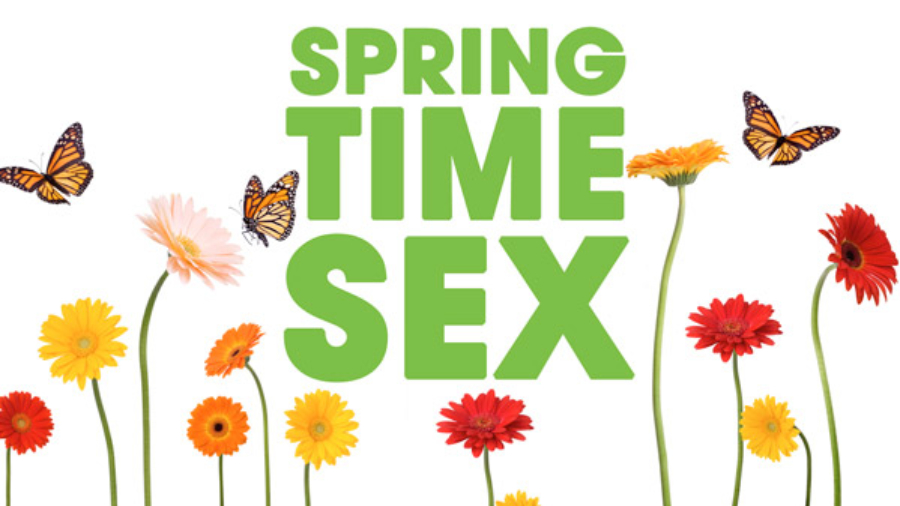
The debate over how weather and the calendar influence our intimacy is as old as humanity itself. If we look at scientific research and sociological surveys, opinions are massively divided. While some studies suggest that summer is undoubtedly the best season to make love due to free time and vacations, other reports show that autumn, or even the freezing winter, seduces us far more than we might think.
However, the vast majority of the population agrees on one undeniable point: sex in spring holds a special kind of magic. Spring is universally regarded as the most wonderful and unparalleled time of the year for the joys of physical intimacy. The rebirth of nature acts as a powerful catalyst for our senses, awakening a sexual appetite that has been dormant throughout the cold, dark winter months.

The Seasons of Pleasure: Myth or Biological Reality?
To truly understand how our bodies react to seasonal changes, we must first look at our biology. The truth is that humans are a unique breed of mammals; unlike other species that have strict mating seasons limited to a few weeks a year, we are capable of reproducing and experiencing sexual desire 365 days a year. As such, we never actually stop practicing sex, regardless of the temperature outside.
Nevertheless, it would be a mistake to deny that our sexuality is heavily influenced by our environment. Scientific evidence demonstrates that our biological clock, daylight hours, and temperature shifts significantly alter our deep brain chemistry. Surveys are incredibly revealing: 67% of people state that they think more about sex and have a higher sex drive as soon as the weather warms up. Therefore, it is no surprise that sex in spring and summer are perceived as the most favorable times according to the general mindset of the population.
The Curious Case of Autumn and Winter: Dopamine and Birth Rates
Although spring claims the fame for romance, there are some scientists who refute the theory that heat is the sole driver of desire, arguing instead that winter seduces us more. And demographic data proves them partially right.
If we analyze global hospital statistics, September is historically the month with the highest number of births. If we do the math and count back nine months, this means that the majority of couples conceive during the Christmas season (December). The cold weather pushes us to spend more time indoors, naturally seeking human warmth and the intimate comfort of home beneath the sheets.
Furthermore, autumn plays its own neurological card. We secrete more dopamine in the fall, the well-known “pleasure hormone” that fuels the desire to make love. Evolutionary biologists suggest that this dopamine spike is the body’s natural coping mechanism to fight off the slightly gloomy and melancholic atmosphere brought on by falling leaves and shrinking daylight hours. Sex thus becomes a natural, evolutionary antidepressant.
Why “Spring Fever” is Real: The Science of Desire
Despite winter’s impressive birth rates, when it comes to the sheer quality, creativity, and raw energy of sexual desire, spring has no rival. The famous concept of “spring fever” isn’t just a popular myth; it is a scientifically proven fact backed by endocrinology.
1. The Explosion of Vitamin D and Testosterone
As we approach this time of the year, the days get longer and the sun shines with greater intensity. Direct sunlight exposure on our skin triggers the synthesis of Vitamin D. This crucial vitamin is directly correlated with testosterone levels in both men and women. Higher testosterone translates to a higher libido and a stronger sexual drive. The sun literally jumpstarts our intimate engine.
2. The Drop in Melatonin and the Rise of Serotonin
During the winter, long nights cause our brains to produce high levels of melatonin, the sleep hormone, keeping us more lethargic and fatigued. With the arrival of mild spring weather, the upcoming season exposes us to more daylight, which slashes melatonin production and skyrockets serotonin, the happiness hormone. We find ourselves in a better mood, more sociable, and consequently, much more receptive to our partner’s sexual advances.
3. Visual Stimuli and Human Pheromones
The seasonal wardrobe change plays a vital psychological role. We shed our heavy coats and endless layers of winter clothing. The use of lighter garments, vibrant colors, and increased skin exposure heightens daily visual stimuli. At the same time, light perspiration helps distribute human pheromones—those invisible chemical messengers that act as a powerful magnet for subconscious, primal attraction.
Sex in Spring: Harnessing the Rebirth of Nature
The atmosphere around us completely transforms. The singing of birds and the buzzing of bees return, life resumes its course in nature, and fresh buds begin to bloom. This entire vibrant environment has a profound effect on the human psyche. You can walk along lush green paths; everything is reborn, everything revives; confidence and optimism wash over us. It is within this context of renewal that one dreams of embraces, sweet words, and infinite love.

To fully maximize the potential of sex in spring, couples can break out of their bedroom routine and elevate their intimacy to new heights:
- Romantic Outdoor Getaways: With the warmer weather, a weekend trip to a country house or a natural setting away from the city becomes the perfect stage to rekindle the flame. The novelty of a new environment heavily stimulates the brain and increases arousal.
- The Power of Scents: Flowers are blooming, and their fragrances fill the air. Bringing this sensory experience indoors through floral essential oils, massage lotions, or scented candles can transform a regular encounter into an immersive, multisensory experience.
- Natural Light and Open Spaces: Letting the fresh spring breeze through the window and taking advantage of the natural light during longer afternoons provides an unmatched romantic backdrop, completely erasing the claustrophobic feeling of winter isolation.
Conclusion: Discovering Your Own Season of Pleasure
Since we are biologically built to frolic at any time, it would be a mistake to limit our sexuality based exclusively on a calendar date. We experience a continuous sexuality rooted in the simple fact that we exist, regardless of whether it is raining or shining outside. Although spring undoubtedly makes things easier on a hormonal and psychological level, it is true that every person and every body reacts differently to each season… and what turns one person on might be a turn-off for another.
The key to a fulfilling sex life does not lie in waiting for the good weather to arrive, but in knowing how to adapt our intimate encounters to what each season offers. Winter gives us the perfect excuse for skin-to-skin contact under heavy blankets, summer gifts us the unbridled passion of vacation nights, and spring… spring delivers the energy, the awakening of the senses, and the ultimate confirmation that human desire is, much like nature itself, unstoppable and infinitely beautiful.
Add a Comment
You must be logged in to post a comment